Social Icons

Wednesday, February 4, 2015

First Aid, CPR & AED Re-Certification

A few years back I was asked to become a First Responder at work. That meant that I would need to be Occupational First Aid, CPR and AED Trained. Certification only last 2 years and so it was time to re-certify.

Rick, our friendly safety trainer returned and again we learned the importance of proper training and re-certification.  He follows the guidelines as directed by the National Safety Council (NSC) which meets ECC Guidelines and OSHA standards.

Our training took place  3 hours a day for 2 days. Day one was more instructional with videos, discussions & quizzes. Day 2 was more fun with hands on activities such as learning CPR with the use of dummies and practicing proper glove use and removal. We also learned how to position a victim in the Recovery Position should we find them unconscious.

Once the re-certification course was completed I will admit I did feel a renewed sense of preparedness to act in an emergency and more confident in my abilities to really assist and provide life saving care until a professional arrives. It is important to remember that while trained in First Aid and CPR it is vital and can save lives that you can only help and provide assistance if you have been trained and never provide assistance outside of the scope of your training.

Saturday, January 17, 2015

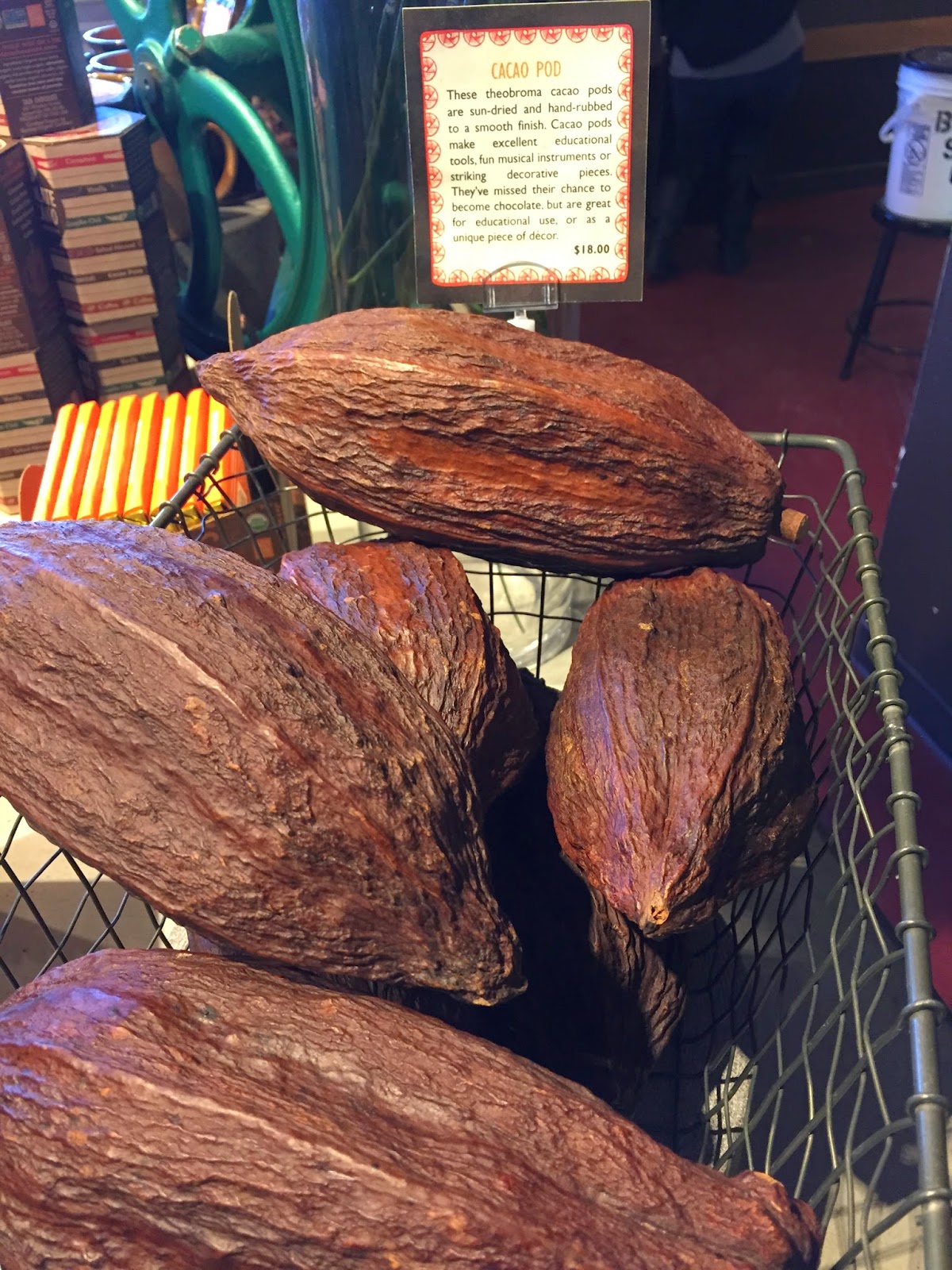
Taza Chcolate Tour [Somerville, MA]

Taza Chocolate is located in an urban warehouse area of Somerville, MA in a very non-descript building. When we arrived we checked in at the counter of their factory tour and were told to enjoy the samples they had out while we waited for our tour to begin.

It wasn’t long before our guide Krisha gathered us together and explained how the company founder had traveled to Oaxaca, Mexico and had a hot chocolate that changed his life. She went on to explain that he apprenticed with a local molinaro who taught him their way of making chocolate using hand carved stones known as molinos. They use the bean to bar process of making chocolate and no dairy products are used and everything is all natural.

The first of the three rooms we entered was the roasting room. Here we learned that the first step in Taza’s chocolate making process is to roast their cacoa beans which dries and helps loosen their shells and also helps develop their flavor. Also in the roasting room was the winnower which winnow’s or (separates the shell from the cocoa nib).


After isolating the nib from the shell it moved into the first grinders which use Molinos or Mexican stone mills sourced from Oaxaca Mexico. The molino’s are hand carved specifically to grind cocoa nibs into a paste called cocoa liquor. Creating those molinos by carving very precise shapes and grooves into the stone was part of the skill the founder learned while apprenticing in Mexico.

Next Taza add’s organic raw cane sugar to the cocoa liquor in the mixing tank. The result creates a mixture called Chocolate Mass.

Next the Chocolate Mass is pumped into a second set of Molinos to further grind and refine the Chocolate Mass by shattering the sugar crystals. Some of the chocolate is then further refined in the roll refiner to reduce the grittiness of the chocolate to make bars. The less refined chocolate mass makes the Mexican stone disc’s.

Once refined the chocolate is then held in holding tanks at 110 degrees until it is ready for tempering and ultimately packaging.

Tempering is a process where the chocolate is heated and cooled to create a specific crystal structure in the cocoa butter. Tempering increases the melting point of the chocolate and gives it is glossy appearance.

Once tempering is completed the chocolate is pumped into molds where they are vibrated to remove air bubbles. They those molds are put in a cooling room held at 40 degrees to cool them quickly.

Not all chocolate is made into molds however. Their covered treats take a different path and after the chocolate is tempered the treats tumble inside the copper revolving pans until they are evenly coated with a drizzle of chocolate. The tumbling helps create a glossy appearance by the chocolate rubbing together.


Once done both the covered treats and the molds are sent to the packaging room where two types or wrappers are used to wrap the discs and the bars. Everything is hand packaged after being wrapped and shipped globally all over the world. 

They named it Taza since taza in Spanish means cup and it all started with a cup of hot chocolate in Oaxaca, Mexico.

After completing the tour we were again offered more chocolate to try and given the opportunity to purchase anything we wanted from their factory store. Having had a Groupon I was entitled to one free disc. I also picked up a few bars and a t-shirt.

Sunday, January 11, 2015

Mapparium @ Christian Science Center

Located in the Christian Science Center’s Mary Baker Eddy Library is an amazing 3 story tall glass globe. Inspired by architect Chester Lindsay Churchill to represent the Christian Science Monitor’s global awareness and reach he constructed this 30-foot diameter glass globe based on the Rand McNally Political map of the time.

It is frozen in time in 1935 when Thailand was known as Siam and much of Africa was under colonial rule. The globe is made of 608 stained glass panels and was designed to allow the countries to be viewed in accurate geographical relationship to each other.

Guests of the Mapparium are grouped together in small batches and taken into the mapparium for a 20 minute long stay where they enjoy a light and sound show. Guests walk across a glass bridge suspended in the middle of the globe where it’s unusual acoustics allow visitors voices to be amplified.

They do not allow pictures from within the globe since the map is copyrighted by Rand McNally but I couldn’t resist sneaking a few for my blog. It’s a great location to visit and see what the world looked like in 1935.