(13) Visit a National Park
Name: Ellis Island
Rating: 3-Stars
Ellis Island wasn’t always known for its history as the gateway to America for immigrants from far and wide. Before being designated as the site of the first Federal immigration station by President Benjamin Harrison in 1890, Ellis Island had a varied history. The local Indian tribes called it "Kioshk" or Gull Island. Due to its rich and abundant oyster beds and shad runs it was known as Oyster Island during the Dutch and English colonial periods. By the time Samuel Ellis became the private owner in the 1770's, the island had 5 different names. In this way, Ellis Island developed from a sandy island into a hanging site for pirates, a harbor fort, ammunition and ordinance depot named Fort Gibson, and finally into an immigration station.
Like the growing list of names used to reference the island its land size also grew from an original 3.3 acre site to a 27.5 acre island. It was enlarged mostly by landfill obtained from ship ballast and possibly from the construction of the New York City subway system.
From 1794 to 1890, Ellis Island played an important military role in United States history. When the British occupied New York City during the duration of the Revolutionary War, its naval fleet was able to sail unimpeded directly into New York Harbor. Therefore, it was deemed critical by the United States Government that a series of coastal fortifications in New York Harbor be constructed before the War of 1812. The Federal government purchased Ellis Island from New York State in 1808. Ellis Island was approved as a site for fortifications and on it was constructed a parapet for three tiers of circular guns called Fort Gibson.
Prior to 1890, the individual states regulated immigration into the United States. Castle Garden served as the New York State immigration station from 1855 to 1890 and approximately eight million immigrants, mostly from Northern and Western Europe, passed through its doors. With an increased number of immigrants flooding into the US it became apparent that Castle Garden could not continue to handle immigration.
The Federal government intervened and a new immigration station was built on Ellis Island. The new structure was built of "Georgia pine" and opened on January 1, 1892. Ellis Island didn’t coast smoothly into history however. On the evening of June 14, 1897, a fire on Ellis Island, burned the immigration station completely to the ground along with many years of Federal and State immigration records dating back to 1855. The United States Treasury quickly ordered the immigration facility be replaced under one very important condition. All future structures built on Ellis Island had to be fireproof. On December 17, 1900, the new Main Building was opened and 2,251 immigrants were received that day.
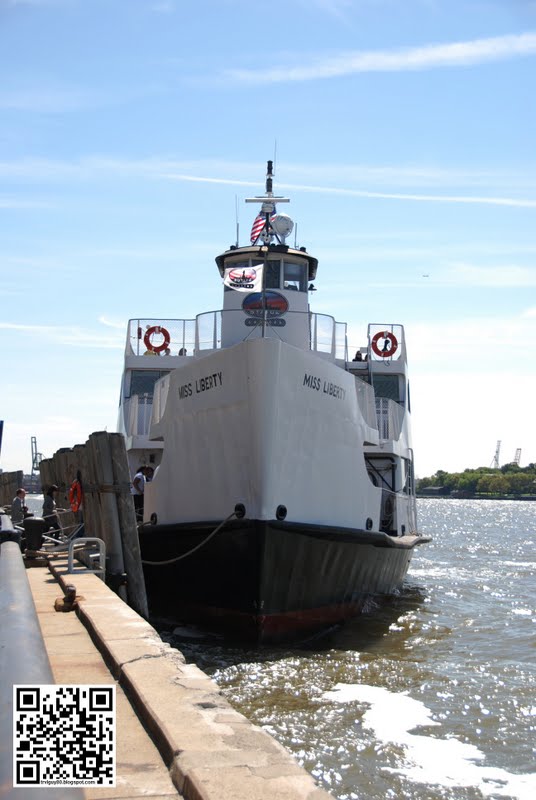
The great steamship companies played a significant role in the history of Ellis Island. First and second class passengers who arrived in New York Harbor were not required to undergo the inspection process at Ellis Island. The scenario was far different for "steerage" or third class passengers. These immigrants were transported from the pier by ferry or barge to Ellis Island where everyone would undergo a medical and legal inspection.
If the immigrant's papers were in order and they were in reasonably good health, the Ellis Island inspection process would last approximately three to five hours. The inspections took place in the Registry Room (or Great Hall), where doctors would briefly scan every immigrant for obvious physical ailments. The ship's manifest log contained the immigrant's name and his/her answers to twenty-nine questions. This document was used by the legal inspectors at Ellis Island to cross examine the immigrant during the legal inspection.
Despite the island's reputation as an "Island of Tears" only two percent of the arriving immigrants were excluded from entry. The two main reasons why an immigrant would be excluded were if a doctor diagnosed a contagious disease that would endanger the public health or if a legal inspector thought the immigrant was likely to become a public charge or an illegal contract laborer.
During the early 1900's immigration was on the rise and in 1907, more people immigrated to the United States than any other year; approximately 1.25 million. Hospital buildings, dormitories, contagious disease wards and kitchens were all were feverishly constructed between 1900 and 1915.
As the United States entered World War I, immigration to the United States decreased. Numerous suspected enemy aliens throughout the United States were brought to Ellis Island between 1918 and 1919. During this time, regular inspection of immigrants was conducted on board ship or at the docks. In 1920, Ellis Island reopened as an immigration station and 225,206 immigrants were processed that year.
After World War I, the United States began to emerge as a potential world power. United States embassies were established in countries all over the world, and immigrants now applied for their visas at American consulates. After 1924, the only people who were detained at Ellis Island were those who had problems with their paperwork, as well as war refugees and displaced persons.
Ellis Island still remained open for many years and served a multitude of purposes. During World War II, enemy merchant seamen were detained in the baggage and dormitory building. The United States Coast Guard also trained about 60,000 servicemen there. In November of 1954 the last detainee, a Norwegian merchant seaman was released, and Ellis Island officially closed.
In 1965, President Lyndon Johnson declared Ellis Island part of the Statue of Liberty National Monument. Ellis Island was opened to the public on a limited basis between 1976 and 1984. Starting in 1984, Ellis Island underwent a major restoration, the largest historic restoration in U.S. history. The $160 million dollar project was funded by donations made to The Statue of Liberty - Ellis Island Foundation in partnership with the National Park Service. The Main Building was reopened to the public on September 10, 1990 as the Ellis Island Immigration Museum. Today, the museum receives almost 2 million visitors annually.
Ellis Island is likely to connect with more of the American population than any other spot in the country. Over 62 years, more than 12 million were to follow through this port of entry. It has been estimated that nearly half of all Americans today can trace their family history to at least one person who passed through the Port of New York at Ellis Island.
Like the growing list of names used to reference the island its land size also grew from an original 3.3 acre site to a 27.5 acre island. It was enlarged mostly by landfill obtained from ship ballast and possibly from the construction of the New York City subway system.
From 1794 to 1890, Ellis Island played an important military role in United States history. When the British occupied New York City during the duration of the Revolutionary War, its naval fleet was able to sail unimpeded directly into New York Harbor. Therefore, it was deemed critical by the United States Government that a series of coastal fortifications in New York Harbor be constructed before the War of 1812. The Federal government purchased Ellis Island from New York State in 1808. Ellis Island was approved as a site for fortifications and on it was constructed a parapet for three tiers of circular guns called Fort Gibson.
Prior to 1890, the individual states regulated immigration into the United States. Castle Garden served as the New York State immigration station from 1855 to 1890 and approximately eight million immigrants, mostly from Northern and Western Europe, passed through its doors. With an increased number of immigrants flooding into the US it became apparent that Castle Garden could not continue to handle immigration.
The Federal government intervened and a new immigration station was built on Ellis Island. The new structure was built of "Georgia pine" and opened on January 1, 1892. Ellis Island didn’t coast smoothly into history however. On the evening of June 14, 1897, a fire on Ellis Island, burned the immigration station completely to the ground along with many years of Federal and State immigration records dating back to 1855. The United States Treasury quickly ordered the immigration facility be replaced under one very important condition. All future structures built on Ellis Island had to be fireproof. On December 17, 1900, the new Main Building was opened and 2,251 immigrants were received that day.
The great steamship companies played a significant role in the history of Ellis Island. First and second class passengers who arrived in New York Harbor were not required to undergo the inspection process at Ellis Island. The scenario was far different for "steerage" or third class passengers. These immigrants were transported from the pier by ferry or barge to Ellis Island where everyone would undergo a medical and legal inspection.
If the immigrant's papers were in order and they were in reasonably good health, the Ellis Island inspection process would last approximately three to five hours. The inspections took place in the Registry Room (or Great Hall), where doctors would briefly scan every immigrant for obvious physical ailments. The ship's manifest log contained the immigrant's name and his/her answers to twenty-nine questions. This document was used by the legal inspectors at Ellis Island to cross examine the immigrant during the legal inspection.
Despite the island's reputation as an "Island of Tears" only two percent of the arriving immigrants were excluded from entry. The two main reasons why an immigrant would be excluded were if a doctor diagnosed a contagious disease that would endanger the public health or if a legal inspector thought the immigrant was likely to become a public charge or an illegal contract laborer.
During the early 1900's immigration was on the rise and in 1907, more people immigrated to the United States than any other year; approximately 1.25 million. Hospital buildings, dormitories, contagious disease wards and kitchens were all were feverishly constructed between 1900 and 1915.
As the United States entered World War I, immigration to the United States decreased. Numerous suspected enemy aliens throughout the United States were brought to Ellis Island between 1918 and 1919. During this time, regular inspection of immigrants was conducted on board ship or at the docks. In 1920, Ellis Island reopened as an immigration station and 225,206 immigrants were processed that year.
After World War I, the United States began to emerge as a potential world power. United States embassies were established in countries all over the world, and immigrants now applied for their visas at American consulates. After 1924, the only people who were detained at Ellis Island were those who had problems with their paperwork, as well as war refugees and displaced persons.
Ellis Island still remained open for many years and served a multitude of purposes. During World War II, enemy merchant seamen were detained in the baggage and dormitory building. The United States Coast Guard also trained about 60,000 servicemen there. In November of 1954 the last detainee, a Norwegian merchant seaman was released, and Ellis Island officially closed.
In 1965, President Lyndon Johnson declared Ellis Island part of the Statue of Liberty National Monument. Ellis Island was opened to the public on a limited basis between 1976 and 1984. Starting in 1984, Ellis Island underwent a major restoration, the largest historic restoration in U.S. history. The $160 million dollar project was funded by donations made to The Statue of Liberty - Ellis Island Foundation in partnership with the National Park Service. The Main Building was reopened to the public on September 10, 1990 as the Ellis Island Immigration Museum. Today, the museum receives almost 2 million visitors annually.
Ellis Island is likely to connect with more of the American population than any other spot in the country. Over 62 years, more than 12 million were to follow through this port of entry. It has been estimated that nearly half of all Americans today can trace their family history to at least one person who passed through the Port of New York at Ellis Island.